
A commercial door does more than close an opening. It affects break-in risk, heating and cooling loss, traffic flow, noise, and repair budgets.
That is why commercial doors and hardware need to match the specific needs of the space. Building openings must be secure and efficient, which is why professionals often refer to Division 8 standards when selecting these products. A lobby requires a different approach than a rear exit, office, loading dock, or stairwell, and selecting the right door hardware is essential to complete the package. Choosing the right components cuts trouble later because the setup fits daily use from the start.
The sections below compare common door types and show where each one works best.
Key Takeaways
- Match Doors to Function: Select door types based on the specific needs of each opening, such as prioritizing security for rear entries, privacy for offices, and traffic flow for main entrances.
- Security is an Assembly: A door's performance depends on the entire unit, including the frame, hardware, and professional installation, rather than just the strength of the door slab.
- Long-Term Value: While initial costs vary, hollow metal doors often provide the best long-term value due to their durability, ease of repair, and superior fire resistance.
- Energy and Efficiency: Proper insulation, weatherstripping, and functional door closers are critical to reducing energy waste and maintaining climate control throughout the facility.
Which commercial door types fit the strongest security needs?
Security starts with the full opening, not only the door slab. The frame, hinges, strike, lock, closer, glazing, and installation all shape how the opening performs under abuse and daily use.
A secure opening is only as strong as its frame, hardware, and install.
Why hollow metal doors are a top choice for high-risk openings
For side doors, rear entries, service corridors, and tenant separation openings, hollow metal doors are hard to beat. These security products resist impact, wear, and forced entry better than softer materials. That is why you see them so often at vulnerable points around schools, warehouses, multifamily buildings, and public facilities.
Published comparison data has also shown these doors performing well in forced-entry and high-abuse conditions. If you want an outside comparison of materials, Avigilon's commercial security door overview is a useful reference.
Hollow metal doors also add another layer of protection because they work well in fire-rated assemblies. Among common door materials, these are the ones that commonly reach a 3-hour fire rating. That matters in stair towers, rated corridors, and mechanical separations.
The long-term cost picture is strong too. Properly installed and maintained hollow metal doors often stay in service for 30 years or more. When damage does happen, field repairs are usually simpler and cheaper than replacing a cracked wood door or a badly dented aluminum leaf.
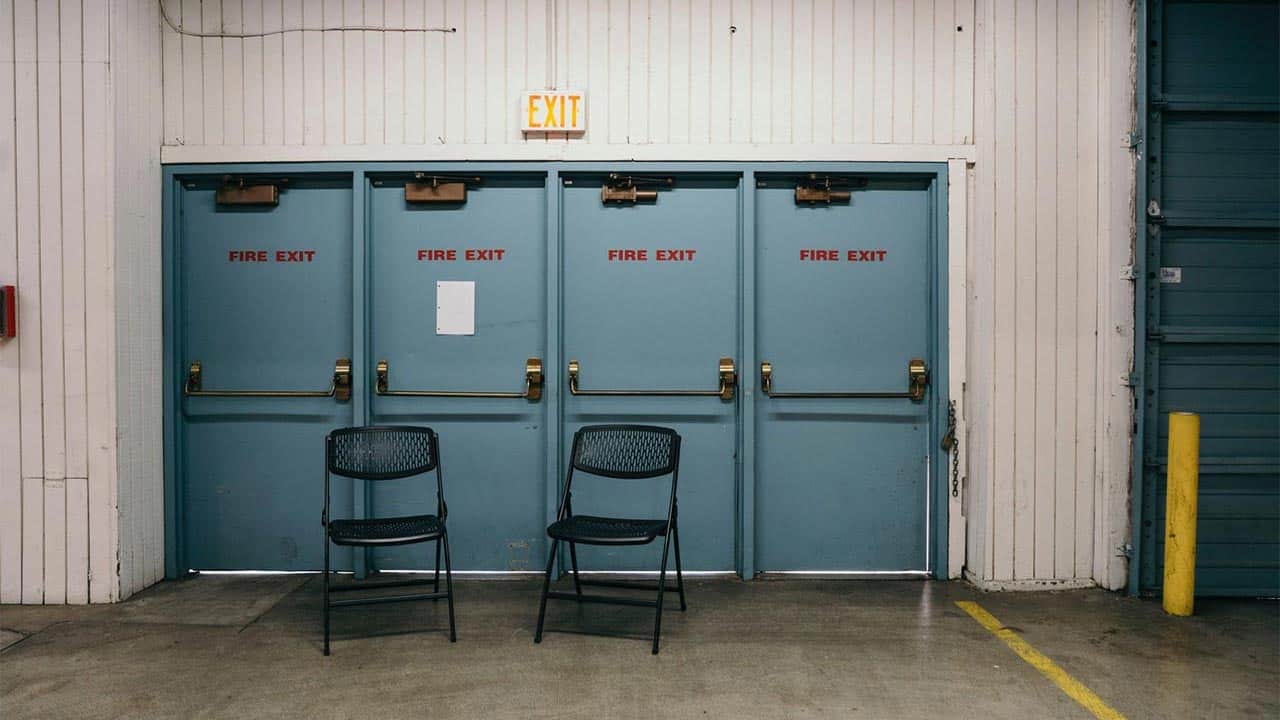
A strong door in a weak frame is a poor security plan. Hollow metal frames add stiffness around the opening and hold hardware better under repeated use. These metal frames also take reinforcement for hinges, locks, strikes, closers, and exit devices, which is why they remain common in commercial and institutional work.
Quality door hardware matters just as much. Heavy-duty hinges reduce sag, while a quality strike helps the latch hold under pressure. Closers pull the door shut every time, which supports both security and energy control. When selecting exit devices, it is vital to choose the right panic bars, trim, and latch setup for the occupancy. For maximum security, incorporating heavy-duty mortise locks provides enhanced protection against forced entry.
Installation is where many openings fail. If the frame is out of square, the latch may not seat well. Gaps can grow, hinges wear faster, and the closer has to work harder. In other words, the opening starts losing security and efficiency on day one.
Quality frames also come prepped for standard commercial-grade hardware, which cuts field drilling and fit-up problems. That helps crews move faster and reduces mistakes.
Where fire-rated doors support safety and security
Fire-rated doors do two jobs at once. They protect egress routes and keep the opening secure during normal use. In corridors, stairwells, electrical rooms, and rated wall separations, that dual role is critical to life-safety requirements.
The key point is simple. A fire-rated opening is an assembly, not a mix of unrelated parts. The leaf, frame, glazing, seals, latch, and closer need to match the listing. A rated leaf installed in a non-rated frame can create a code problem and a life-safety problem.
Self-closing and positive latching matter here. If the door does not shut and latch, its fire rating will not help much in real conditions. That is why regular inspection and hardware adjustment are part of sound building maintenance, not optional extras.
Commercial door types that help buildings run more efficiently
Security matters, but daily operating costs matter too. The right opening helps with energy control, sound, traffic flow, and maintenance. In many buildings, that is where the savings show up first.
Insulated metal doors for better energy control
Exterior entries, warehouse man doors, service rooms, and conditioned utility spaces often need better thermal performance than a standard hollow leaf can provide. Insulated steel or hollow metal doors with polyurethane or polystyrene cores reduce heat transfer better than uninsulated options.
The slab is only part of that picture. Weatherstripping, thresholds, sweeps, and a properly adjusted door closer do real work every day. If a door never latches, the building loses heated or cooled air every hour it is in use. That is one reason door closers and latch alignment affect energy bills and climate control as much as comfort.
Insulated steel also compares well against other common materials in real-world openings. Aluminum transfers heat faster, while insulated steel holds a steadier indoor condition at a lower cost point on many projects. If you are comparing commercial door packages, review the full opening, not only the leaf and finish.
Wood doors for offices, privacy, and quieter spaces
Offices, conference rooms, clinics, classrooms, and HR spaces need privacy. A wood door or a sound-rated steel door blocks more noise than a light hollow interior leaf, and that change is easy to notice in daily use.
Sound control is not only about comfort. It supports focus, better calls, more private meetings, and fewer distractions in busy buildings. For that reason, acoustical performance is essential in law offices, healthcare facilities, schools, and multifamily common areas.
Sound-rated steel assemblies commonly test from about STC 32 to STC 55, with paired openings often falling in a lower range. That gives project teams room to balance privacy, fire rating, and budget. In some cases, a sound-rated steel door can also carry a high fire rating, which helps when one opening has to fulfill multiple requirements.
When glass and automatic doors make sense for traffic flow
Public-facing spaces need a different balance. Storefront glass doors improve sightlines, daylight, and wayfinding, so lobbies and retail entries feel open and are easier to monitor from a desk or security station.
Automatic sliding or swinging doors, combined with reliable automatic door operators, also help where foot traffic stays high. Hospitals, grocery stores, office towers, and public buildings often need easier access for carts, deliveries, and maintaining an ADA compliant environment. In those settings, user flow matters as much as appearance.
These doors are not the first choice where maximum forced-entry resistance is the top goal. Still, they work well when paired with the right locksets, closers, operators, and security glass. For a broad side-by-side look at common styles, this guide to commercial door types gives a helpful overview.
Matching the door to the space saves time and money
The cheapest door on a bid can become the most expensive opening in the building. A poor match leads to more repairs, higher energy loss, and weak day-to-day performance. General Contractors must carefully select the right commercial doors and hardware for every opening to avoid long-term maintenance costs.
This quick comparison helps frame the choice:
| Space | Best-fit door type | Main reason |
|---|---|---|
| Main entrance | Storefront glass or automatic door | Traffic flow and visibility |
| Side or rear entry | Steel or hollow metal | Security and durability |
| Warehouse service area | Rolling steel, sectional, or insulated metal | Clearance, abuse resistance, temperature control |
| Office or conference room | Solid core wood or sound-rated steel | Privacy and noise control |
| Stairwell or rated corridor | Fire-rated steel assembly | Code compliance and life safety |
The takeaway is simple. Match the opening to the job first, then choose finish and price within that lane.
Best options for entrances, side doors, and service areas
Main entrances often use glass doors or automatic operators because people need easy access and clear sightlines. Side and rear doors usually need steel or hollow metal because those points get less supervision and more abuse. When standard sizes do not fit a unique structural opening, custom fabrication ensures the door meets exact site requirements.
Back-of-house areas ask even more from a door. Carts, pallets, tools, and trash movement create hard impact over time. In warehouses and service bays, rolling steel or sectional doors may fit better because the opening has to clear equipment and vehicles. Meanwhile, an insulated hollow metal man door often fits the adjacent personnel opening. A building with mixed use almost never needs one door type everywhere. The best results come from matching each opening to traffic, risk, and exposure.
Best options for lobbies, offices, and interior rooms
Lobbies need appearance, visibility, and hardware that can handle constant use. That often points to narrow stile aluminum storefront systems, tempered or fire-protective glass where required, and dependable closers or operators. For modern security, integrating electronic access control into these openings provides better traffic management and protection.
Office interiors need a different mix. Privacy, sound control, and simple maintenance usually matter more than curb appeal. Solid core wood doors work well in many professional interiors. Sound-rated steel doors fit better where abuse is higher or fire separation is part of the layout. Interior rooms should not be chosen on style alone. Selecting the right door hardware, such as durable lever sets, kick plates, and exit devices, directly affects how the opening feels and performs every day.
How maintenance and lifespan affect the real cost
Purchase price is only one line in the budget. The real cost shows up over years of repairs, service calls, air leakage, and early replacement. Steel doors often hold up best in that long view. They do not crack like wood, and field repair is often practical if the opening takes a hit. Aluminum can work well in storefront applications, but deep dents and finish damage are harder to fix. Fiberglass resists corrosion, yet the higher purchase price often limits it to select conditions.
If a project includes mixed openings, ratings, glass, and hardware sets, a written scope review helps prevent mismatched parts. Reliable installation services and same-day shipping options are critical for meeting tight project deadlines. A fast GET A COMMERCIAL DOOR QUOTE can help sort openings before submittals and ordering start.
Frequently Asked Questions
Why are hollow metal doors preferred for high-risk areas?
Hollow metal doors are designed to resist heavy impact, wear, and forced entry, making them ideal for service corridors and exterior exits. They also provide excellent fire resistance, often meeting stringent 3-hour fire ratings required for life-safety compliance.
How does door hardware affect building security?
High-quality hardware like mortise locks, heavy-duty hinges, and proper latching mechanisms ensure that the door remains secure under pressure. If the hardware is inadequate or poorly installed, the opening becomes a vulnerability regardless of the door's material strength.
What should be considered when choosing between wood and steel for interior doors?
Choose wood doors when you need an aesthetic appeal combined with moderate sound control and privacy for offices or conference rooms. Opt for sound-rated steel doors if the environment requires higher durability, increased fire protection, or better acoustical performance.
Why is a fire-rated door considered an assembly?
A fire-rated door is a certified system consisting of the leaf, frame, glazing, and hardware that must all work together to meet safety codes. Replacing one component with non-rated hardware or a mismatched frame can void the fire rating and create a significant life-safety hazard.
Conclusion
The best commercial door is the one that fits the specific requirements of the opening. When prioritizing durability and protection, hollow metal doors often provide the right answer for high-security environments, heavy usage, and fire code compliance. Meanwhile, insulated and solid core options are ideal for enhancing comfort, soundproofing, and energy efficiency.
Glass and automatic doors remain the top choice for spaces where visibility and smooth traffic flow are the primary concerns. By carefully matching your commercial doors and hardware to your building's risk profile, usage patterns, and regulatory needs, you ensure the facility functions reliably. Choosing the right components today creates a building that runs better with fewer maintenance issues and a lower long-term cost.
